

5.0
190+ reviews
Standing Seam Metal Roof Orlando, FL
Fiddler’s Roofing installs standing seam metal roofing for homes and commercial properties in Orlando and Central Florida. Our current work uses 24- and 26-gauge steel supplied through Metal Alliance, with the profile, finish, fastening method, and assembly selected for the property.
A standing seam metal roof creates clean vertical lines and keeps its fasteners beneath the roof surface. We begin with a free roof inspection, explain the proposed system, and provide a written estimate.
Book An Inspection Now
- Florida Certified Roofing Contractor
- License CCC1333004
- Serving Central Florida Since 2003
- Financing Available





What Is a Standing Seam Metal Roof?
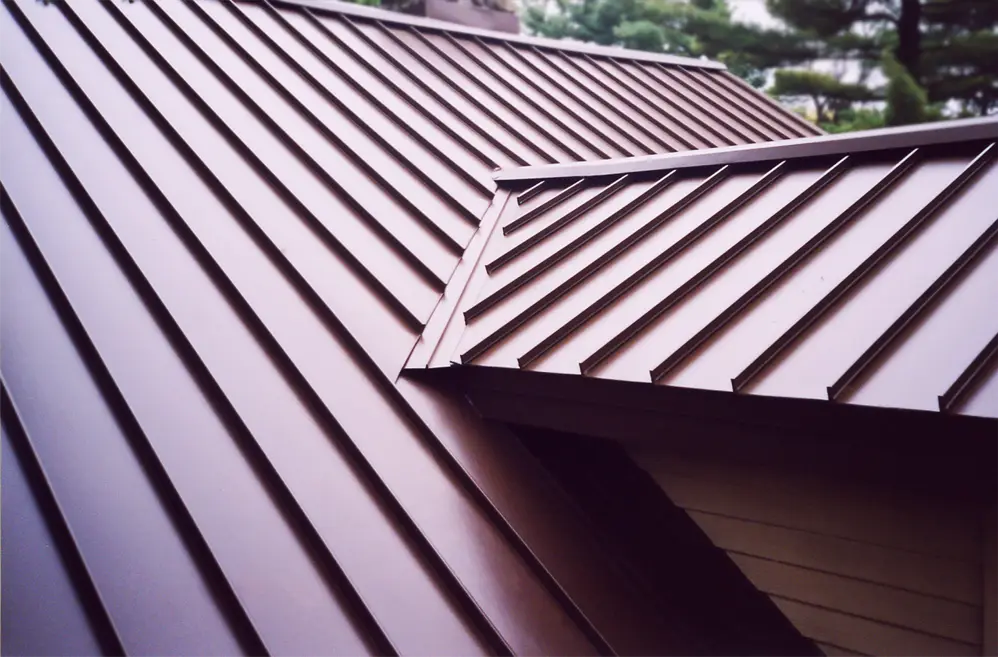
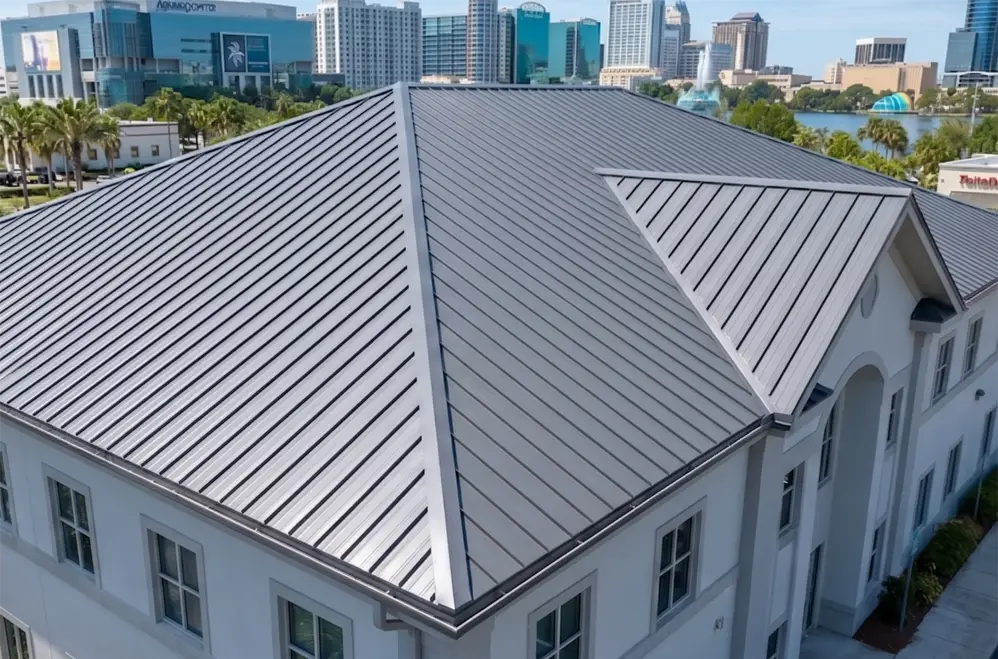
Standing seam roofing uses long metal panels joined by raised seams. Concealed fasteners secure the panels without leaving the attachment points exposed across the roof surface.
Concealed fasteners reduce exposed penetrations, but they do not eliminate every leak point. Decking, underlayment, seams, flashing, penetrations, trim, and accessories must work together as one installed system.
Metal Alliance supplies coil and sheet rather than finished panels. Its profiles, testing, installation details, and approvals support panels fabricated from its materials.


Metal Alliance Standing Seam Options

1
Snap-Lock Clip
A Snap-Lok Clip system uses hidden clips fastened beneath the panels. The panels snap together above the clips, creating a concealed-fastener surface while allowing controlled thermal expansion and contraction.
Metal Alliance publishes several Snap-Lok Clip profiles in 24- and 26-gauge steel. Seam heights, panel widths, supports, and approvals vary by profile.

2
Snap-Lock Nail Strip
A Snap-Lok Nail Strip system uses an integrated fastening flange and hidden screws instead of separate clips. The adjoining panel snaps over the attachment area.
Metal Alliance publishes 24- and 26-gauge steel options for its Snap-Lok Nail Strip profiles. This design differs from R-panel and ribbed metal roofing, where exposed fasteners pass through the panel surface.
EXCELLENT Based on 188 reviews
 Posted on Google
 Jonathan RaresKevin was very knowledgeable, communicated well, and got the job done quickly. Would highly recommend Fiddlers roofing!Posted on Google
 Creative Auto StyleFiddlers Roofing did an excellent job with my tile roof replacement in West Palm Beach, Florida. From start to finish, the team was professional, reliable, and thorough. Kevin was especially great to work with—he is extremely honest, straightforward, and genuinely cares about his customers. He clearly explained the tile roof replacement process, answered all my questions, and made sure the work was completed properly. If you’re looking for a dependable roofing contractor in West Palm Beach, Florida, I highly recommend Fiddlers Roofing for quality roofing work and trustworthy service!Posted on Google
 Springfield MB ChurchWorking with Kevin and his team was great. They kept us informed with important updates and did a wonderful job with roof.Posted on Google
 Brent WintersThese guys did a fantastic job w/our new roof install. They worked late to get our large home finished in 2 days. And they were the only roofer of the top 5 on Google I received quotes from that didn't have a contract heavily weighted to the contractor. Other agreements said they might destroy my gutters, or damage my AC, or other things and I would have to pay for it. Read the fine print! One roofer said outright every company is going to tear up your gutters and that's the way it is, but Fiddler replaced our drip edge and put the gutters back with no problem. The owner, Kevin, strikes me as a straight shooter trying to do right by the customer --- increasingly rare today.Posted on Google
 Eliana GonzalezVery nice person to work with very polite and responsible. I would recommend it to everybody.Posted on Google
 Nesa DownardFound Fiddler’s after doing some searches and reading reviews, we got a good amount of quotes from other companies. Was looking for an entire new roof and gutters instillation . We decided to use Fiddler’s based on their reviews and how they approached getting our business. Kevin (the owner) came out to look at our very old roof and was very friendly and told me how they go about their process, he even gave me recommendations on things I should consider doing even if I don’t use them. With other roofing companies I met with, all they did was bad mouth other companies and how they were so much better. Fiddlers just focused on what they could/would do for us. I liked that they are a family owned business and they also use a family owned business for their gutters. The quote we received was a very good one with detailed options for us to choose from. Once we signed with them the process was quick, they came out shorty after and got started. The crew and Forman (David) were great, they answered any questions we had, and were so friendly. My roof was crazy old and as they removed the old roof they discovered some problems that they quickly assessed and handled. Our roof was done in two days and it looks beautiful. With the thousands of roofing companies here in Florida you never know who you can trust and what type of quality you will get. I’m so grateful we found Fiddlers. You can definitely trust them to do right by you and give you a quality roof. Highly recommend!Posted on Google
 peggy fraserKevin and his team did a great job repairing my roof. They pay attention to detail and got the job done quickly. I wouldn’t call anyone else but Fiddler Roofing. They are outstanding!Posted on Google
 Pat CastellanoKevin and company came recommended to us as new Floridians. He came as quickly as asked, provided his assessment and the work done by his team was neat, on schedule and with professionalism. The solar fan looks great and will help maintain the roof and cool the attic during those hot Florida days. Thank you Kevin and team.Posted on Google
 Clarence MillsKevin and the team at Fiddlers Roofing did an outstanding job! From start to finish, the process was smooth, professional, and stress-free. Kevin was knowledgeable, honest, and took the time to explain everything clearly. The crew worked efficiently, kept the area clean, and completed the job on time. The quality of the workmanship is excellent, and the new roof looks fantastic. I truly appreciate the attention to detail and the great customer service. I highly recommend Kevin and Fiddlers Roofing to anyone looking for reliable and high-quality roofing work!Posted on Google
 Sue HauseI am very pleased with my new roof and the guys and the forman Mike were very efficient. Kevin the owner helped me decide on the color and proper shingles and gutters . great choice! the cleanup was done very nicely and all inspection was smooth. Thank you all who made this experience rewarding!!!!! Sue Hause
24-Gauge vs. 26-Gauge Standing Seam Steel
Fiddler’s offers 24- and 26-gauge steel, subject to the chosen profile, finish, availability, and project specifications.
A lower gauge number means thicker steel. We often guide owners toward 24-gauge material when added rigidity is a priority. A 26-gauge system may suit other projects based on geometry, assembly, budget, and design goals.
Gauge alone does not determine performance. Seam height, panel width, fastener spacing, deck condition, roof zones, exposure, fabrication, and installation also matter.
Mill Finish, PVDF, and SMP Color Options
Acrylic-coated Galvalume can provide a natural metallic appearance, while painted finishes offer a broader color range.
Metal Alliance stocks Galvalume steel in 24 and 26 gauge and publishes Fluropon 70% PVDF and WeatherXL SMP options. Color availability and warranty coverage depend on the metal, coating, color group, location, and terms. Review a physical sample before approving the final color.
Can a Metal Roof Be Installed Over Existing Shingles?
Some roof recover assemblies may be permitted, but installation over existing shingles is never automatic. The contractor must review the number and condition of existing roof layers, deck condition, moisture, surface flatness, product approval, manufacturer instructions, and current Florida Building Code requirements.
A full tear-off is still required or preferred for many replacement projects. The written proposal should clearly identify whether the existing shingles will be removed and how the deck will be evaluated.
What Affects Standing Seam Metal Roof Cost?
Generic square-foot ranges do not accurately price a specific Orlando property. Costs depend on:
- Roof area, material waste, tear-off, and disposal
- Decking repairs, roof pitch, and complexity
- Steel gauge, profile, seam height, and finish
- Valleys, walls, skylights, and penetrations
- Underlayment, flashing, trim, fasteners, and accessories
- Fabrication, permits, access, and scheduling
An estimate after inspection is more reliable. Financing options are available for qualified customers.
Free Roof Inspection and Standing Seam Installation
Free roof inspection. We document slopes, roof pitch, penetrations, flashing, drainage, existing shingles, and visible deck condition.
System selection. We review profile, gauge, concealed-fastener method, finish, accessories, and applicable product documentation.
Written proposal. The scope identifies preparation or full tear-off, materials, permit responsibilities, schedule, warranty information, and exclusions.
Roof preparation. The crew completes the agreed tear-off or approved preparation, authorized decking repairs, underlayment, and flashing.
Panel installation and final inspection. Panels, seams, clips or hidden screws, trim, ridges, valleys, and penetrations are completed, followed by cleanup and applicable inspections.

Final Inspection and Project Closeout
After the metal roof is installed, the crew reviews seams, trim, flashing, penetrations, cleanup, and project documents. Any required jurisdictional final inspection is completed through the applicable permit process.
The schedule remains project-specific. Roof size, fabrication, complexity, hidden damage, weather, property access, permitting, and inspections can change the completion date.
Florida Building Code and Storm-Season Performance
Standing seam metal roofing can be engineered for high wind resistance, but no single 160-mph rating applies to every metal roof.
Metal Alliance publishes testing and approvals for specific assemblies, including wind uplift, wind-driven rain, fire performance, Florida Product Approval, and selected HVHZ documentation. The profile must match the deck, fasteners, roof zones, exposure, and design pressures.

Can Standing Seam Roofing Handle Hurricane Conditions?
Standing seam roofing can be engineered for high-wind conditions, but no universal 150-, 160-, or 180-mph claim applies to every metal roofing system.
FEMA post-storm assessments after Hurricanes Irma and Michael found that residential or post-code metal roof systems generally performed well overall in the surveyed areas, while also documenting isolated instances of damage.
For an Orlando property, the controlling evidence is the approved roofing assembly, roof deck, fasteners, spacing, roof zones, building height, exposure, and project-specific design pressures.
Proper installation is critical around edges, corners, eaves, ridges, valleys, walls, and penetrations. A tested panel cannot provide its intended protection when the approved assembly is changed in the field.
Standing Seam vs. Stone-Coated Steel, Tile, and Shingles
Standing seam creates long vertical lines and a clean architectural appearance. QueenTile stone-coated steel uses smaller formed panels to create a tile aesthetic, wood-shake appearance, or slate-inspired profile.
Orlando homeowners comparing tile roofs, shingle roofs, metal shingles, and standing seam should look beyond appearance alone. Traditional asphalt shingles usually have a lower upfront cost, while standing seam uses concealed attachment and long steel roof panels.
Metal shingles are another market category, but Fiddler’s current featured residential metal roofing options are Metal Alliance standing seam and QueenTile stone-coated steel.
For a shingle replacement or another roof replacement project, the right roofing system depends on roof pitch, deck condition, architecture, budget, and ownership plans.
Compare both primary metal options on our residential metal roofing page.
Are Metal Roofs Noisy?
Interior rain sound depends on the roof deck, underlayment, insulation, attic, ceiling assembly, and installation. A standing seam metal roof over solid decking is not acoustically equivalent to a bare metal panel installed over an open structure.
Can a Metal Roof Reduce Cooling Costs?
Selected cool-color or reflective finishes can reduce the solar radiation absorbed at the roof surface. The U.S. Department of Energy reports that a qualifying cool roof can reduce annual air-conditioning energy use by up to 15% in some single-story buildings.
That does not mean every Orlando metal roof will reduce total cooling costs by 10% to 30%. Actual energy performance depends on:
- Roof color and finish
- Solar reflectance
- Thermal emittance
- Insulation
- Attic ventilation
- Shade
- HVAC efficiency
- How the property is used
Final energy performance should be evaluated for the particular building and selected finish.
How Long Does a Metal Roof Last in Florida?
A Metal Construction Association field study of low-slope, unpainted 55% aluminum-zinc-coated standing seam systems projected service life in excess of 60 years when similar roofs are designed and constructed using best practices.
That research does not guarantee that every residential metal roof in Florida will last 40 to 70 years. Actual roof life depends on the steel, protective finish, environment, design, drainage, installation quality, maintenance, repairs, and storm exposure.
Manufacturer warranty length and expected roof service life are related, but they are not the same thing.
Does Standing Seam Require Minimal Maintenance?
The Metal Construction Association describes this system type as relatively maintenance-free, but it still recommends regular inspections and periodic cleaning.
Maintenance should include checking:
- Drainage paths
- Accumulated debris
- Sealants
- Flashing
- Penetrations
- Trim
- Areas affected by foot traffic
- Damage following severe weather
Standing seam repairs may require specialized roofers because replacement materials, seams, clips, fasteners, finishes, and flashing must remain compatible with the existing metal system.
Material, Finish, and Workmanship Warranty Coverage
Warranty coverage must be reviewed for the exact materials and project—not presented as one blanket lifetime roof warranty.
Eligible Metal Alliance material purchases may be covered through a Consolidated Limited Product Warranty administered by Roofing Warranty, LLC. Requirements include an executed agreement, an Installation Summary within 60 days, and invoice, coil-lot, or mill-tag traceability. The sample agreement is non-transferable and does not automatically cover fabrication, removal, or installation labor.
Fiddler’s workmanship warranty is separate. The proposal should identify materials, warranty terms, registration responsibility, workmanship coverage, exclusions, and claim procedures.
For qualifying commercial, industrial, and government projects, a separate 5- to 25-year weathertight warranty may be available only through the applicable certified-partner process. Availability must be confirmed in writing.

Standing Seam Warranty and Technical Resources

Standing Seam Metal Roofing Projects in Central Florida
View completed standing seam metal roofing projects by location, property type, gauge, profile, finish, and scope.
Fiddler’s serves Orlando, Orange County, Seminole County, and Central Florida communities. We also provide commercial roofing services.
Standing Seam Metal Roofing FAQs
Can Standing Seam Roofing Qualify for Insurance Savings?
Florida’s Department of Financial Services states that metal panel roof coverings meeting current Florida Building Code standards can qualify as a wind-mitigation feature.
The final homeowners insurance credit depends on the Uniform Mitigation Verification Inspection and other features of the property, including roof-deck attachment, roof-to-wall connections, roof shape, and secondary water resistance.
No fixed percentage or annual dollar amount of insurance savings can be guaranteed. Ask the insurance carrier what documentation and inspection it requires.
Do Concealed Fasteners Eliminate Leak Points?
No. They reduce exposed attachment points, but weather protection still depends on seams, underlayment, flashing, penetrations, drainage, compatible materials, and workmanship.
Is Standing Seam the Gold Standard for Metal Roofing?
Standing seam is often viewed as a premium system because of its raised seams, concealed fasteners, architectural appearance, and tested panel options. It does not fit every property or budget.
5.0
190+ reviews
Request a Free Estimate
Schedule a free roof inspection with Fiddler’s Roofing. We will evaluate the property, compare suitable standing seam options fabricated from Metal Alliance-supplied steel, and prepare a clear estimate for your Orlando metal roofing project.