Are you considering metal roofing for your Orlando, FL, home? It’s a durable and energy-efficient choice. However, a successful metal roof installation depends on meeting specific structural requirements. For Florida homeowners, understanding these prerequisites is key to ensuring your new roof is safe, compliant, and built to last. At Fiddler's Roofing, we ensure every project reflects our dedication to providing lasting protection and peace of mind.
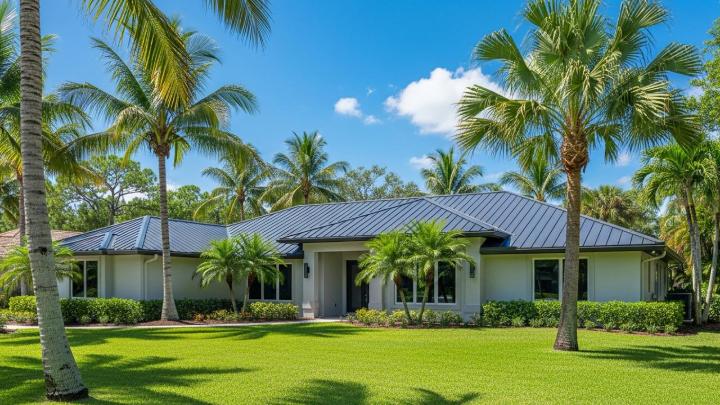
Structural Prerequisites for Metal Roofing in Orlando Homes
Before installing a new metal roof, we first assess your home's structure to ensure it can support the upgrade. Our team at Fiddler's Roofing, an A+ BBB accredited business, thoroughly inspects your current roofing system for integrity and strength. This evaluation lets us identify any needed modifications before installation, ensuring your new metal roof is secure, durable, and ready for Florida’s unique weather.
Assessing Existing Roof Structure and Load Capacity
Evaluating the current roof structure is crucial before embarking on a metal roofing installation. This assessment encompasses analyzing the load capacity to ensure it meets Florida building code requirements, particularly under the unique weather conditions of central Florida. Licensed roofing contractors will conduct inspections to confirm that the existing framework can support the weight of metal roofing materials without compromising the roof’s integrity. Such proactive evaluations help prevent concerns related to wind uplift resistance and water intrusion in future storms.
Required Structural Modifications Before Metal Installation
Analyzing the existing roof's structural integrity is crucial before proceeding with metal roofing installation. Homes may require reinforcement to support the weight and specific attachment methods of metal panels effectively. In particular, strengthening the roof deck can prevent any potential risks associated with wind uplift resistance and water intrusion. Consulting a licensed roofing contractor ensures compliance with Florida’s building code and local building department requirements, providing peace of mind that the modifications will enhance durability against central Florida’s unique weather conditions.
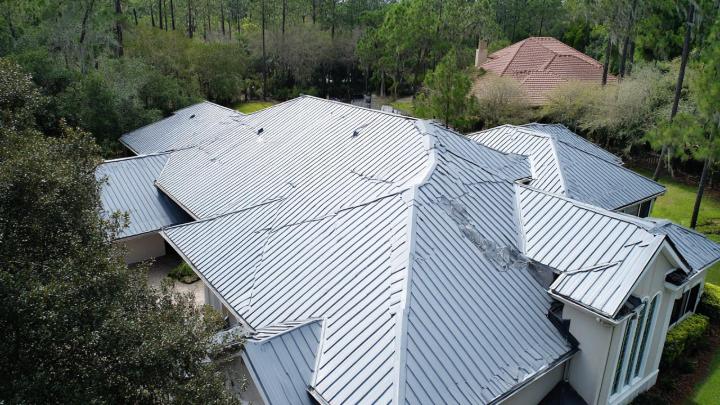
Orlando and Florida Building Codes for Metal Roofs
Compliance with local and state regulations is crucial for successful metal roof installation in Orlando. Understanding Florida building code requirements ensures that homeowners adhere to necessary standards, specifically focusing on wind uplift resistance and hurricane preparedness. Licensing for roofing contractors is mandated to guarantee expertise in navigating permit processes through local building departments. Florida homeowners benefit from code compliance, avoiding insurance issues and enhancing their property’s roof integrity. Following these guidelines provides peace of mind, especially in the face of extreme weather conditions.
Understanding State and Local Permits
Navigating state and local permits is crucial for metal roofing projects. Homeowners are often required to obtain permits from the local building department before initiating installation. These permits ensure compliance with Florida's building code, detailing specific requirements related to structural integrity and weather resistance. Engaging a licensed roofing contractor familiar with local regulations can streamline this process, reducing potential delays. Properly following permit processes not only ensures legal compliance but also enhances the safety and longevity of the roofing system.
Wind and Hurricane Resistance Requirements
The importance of wind and hurricane resistance cannot be overstated in central Florida's climate, where storms pose ongoing challenges. Metal roofing systems must comply with Florida's building code, requiring adherence to specific wind uplift resistance standards to safeguard against storm damage. Licensed roofing contractors ensure proper installation, using tested fastening methods that enhance the roof's integrity. By selecting durable metal roofing materials designed for extreme conditions, homeowners can experience enhanced longevity and peace of mind while effectively mitigating potential insurance issues associated with storm-related repairs.
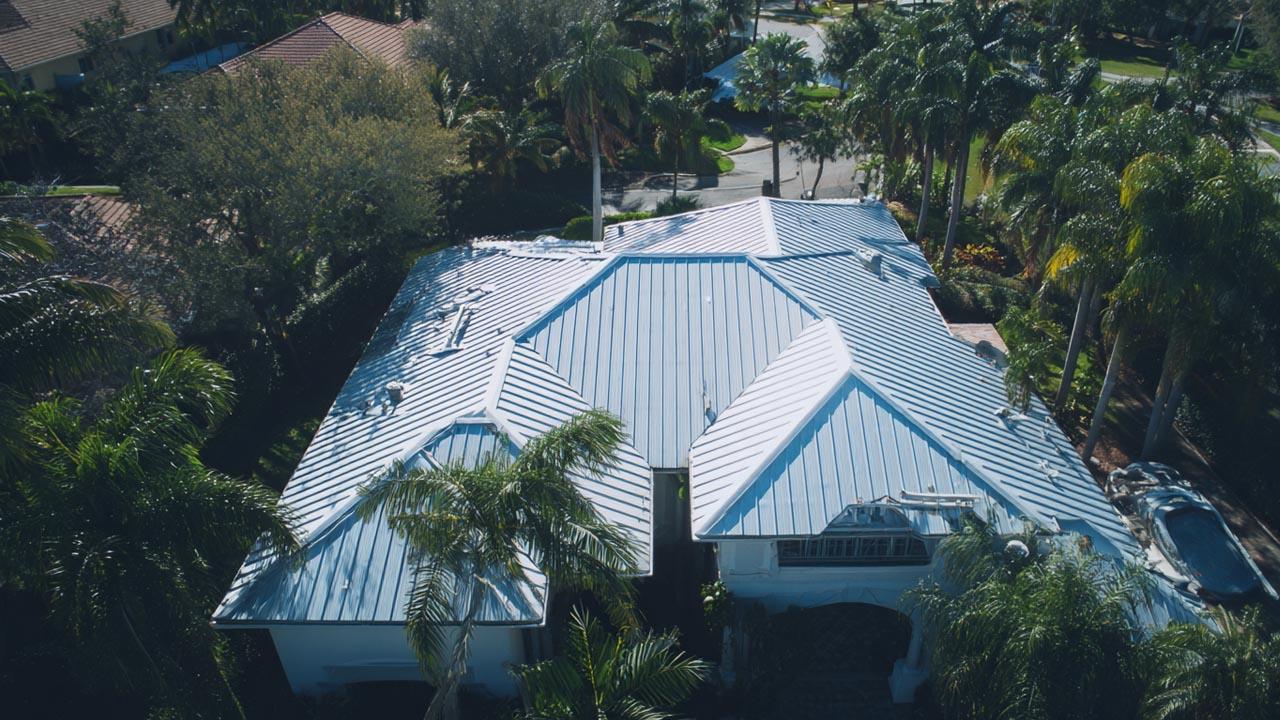
Material Choices for Metal Roof Support Systems
Selecting the appropriate materials for a metal roof support system is crucial for achieving long-lasting durability and performance. Metal roofing materials such as galvanized steel or aluminum provide exceptional corrosion resistance, essential in Orlando's humid climate. Additionally, choosing the right attachment method and roof decking, like plywood or oriented strand board (OSB), ensures optimal load capacity and structural integrity. Partnering with a licensed roofing contractor familiar with Florida's building code can guarantee compliance and enhance the effectiveness of your roofing project.
Recommended Roof Decking Materials
Selecting the right roof decking materials is essential for ensuring structural integrity and durability in Orlando’s unique climate. Plywood and oriented strand board (OSB) are favored choices, providing excellent support beneath metal roofing systems. They can withstand high winds and heavy rain, critical for local weather conditions. In addition, using materials with moisture-resistant properties enhances long-term performance and minimizes risks related to water intrusion. Consulting a licensed roofing contractor can further ensure adherence to Florida building code requirements for optimal decking solutions.
Selecting Proper Underlayment for Longevity
Choosing the right underlayment is critical to enhancing the longevity of metal roofing systems. This component acts as a barrier against water intrusion and protects against the unique weather conditions of Florida. It is essential to select a material that meets local building codes, offering both moisture resistance and durability. Options such as synthetic underlayment or felt paper provide additional protection and can significantly improve energy efficiency. Proper installation of this layer is crucial for maintaining the roof's integrity during extreme weather events.
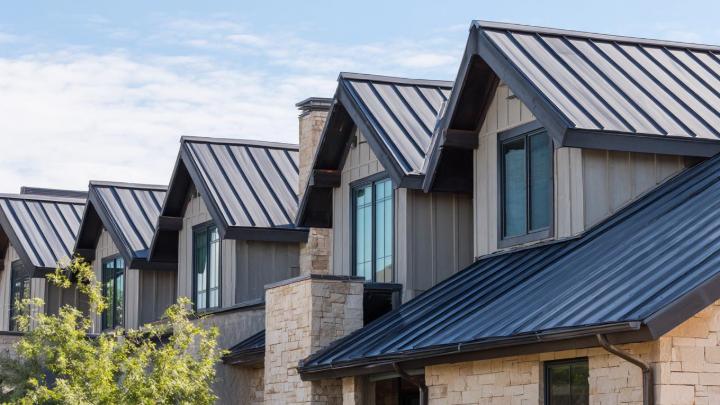
Key Design Considerations for Orlando’s Climate
Designing a metal roofing system for Orlando's unique climate necessitates special attention to factors like minimum slope requirements and ventilation strategies. A properly installed metal roof must efficiently channel heavy rain and prevent water pooling, ensuring compliance with local building codes. Additionally, incorporating effective moisture control mechanisms can mitigate the risk of water intrusion, prolonging the roof's integrity against corrosion. Understanding how intense heat and UV exposure affect roofing materials helps optimize energy efficiency and enhance the overall performance of the installation.
Minimum Slope Requirements for Metal Roofs
Achieving proper drainage is essential for metal roofing systems, especially in Florida’s unique weather conditions. The Florida building code mandates a minimum slope of 2:12 for metal roofs, ensuring that water flows efficiently off the rooftop and reduces the risk of water intrusion. Adhering to these slope requirements is particularly critical in coastal areas prone to heavy rain and high winds. Incorporating this specification contributes to longevity, minimizes maintenance, and enhances the overall performance of the metal roofing installation.
Ventilation and Moisture Control Strategies
Effective ventilation and moisture control are essential for enhancing the longevity and performance of metal roofing systems. Properly installed metal roofs require a well-designed underlayment that facilitates airflow, helping to mitigate issues such as heat buildup and potential water intrusion. Incorporating ridge vents, soffit vents, or power vents ensures adequate air circulation, especially in Florida's unique climate. These strategies not only prevent condensation and associated damage but also contribute to energy efficiency, ultimately resulting in reduced energy bills for homeowners.
Get in Touch
In summary, understanding the structural requirements for metal roof installation in Orlando is key to ensuring safety and durability. This knowledge helps you choose the right materials, meet local codes, and design for Florida’s climate. At Fiddler's Roofing, we treat every home with care and quality. As GAF Certified Contractors with an A+ BBB rating, you can trust us for reliable roofing solutions. Contact us today for a quote on your commercial project!
Frequently Asked Questions
Does the choice of roof materials impact installation cost?
Yes, the choice of roofing materials significantly impacts the installation cost. Premium metal roofing options like standing seam cost more per square foot than exposed-fastener systems. For Florida homeowners, the long-term durability and lower maintenance often justify the initial investment.
What is the minimum slope for a metal roof in Florida?
The minimum slope for a metal roof in Florida depends on the roofing system. According to the Florida Building Code, standing seam panels can often be used on slopes as low as 1/4:12, while other systems may require a 3:12 slope for code compliance.
Read our blog: Preventing Rust and Corrosion on Orlando Metal Roofs